They said it would change everything. And in a way, it did.
The day cold fusion was proven real and viable, the world stood still. Not metaphorically—stock markets froze, governments held emergency sessions, and energy executives scrambled for relevance. Within a decade, fossil fuels had collapsed, oil states faced economic extinction, and power itself—literal power—became nearly free.
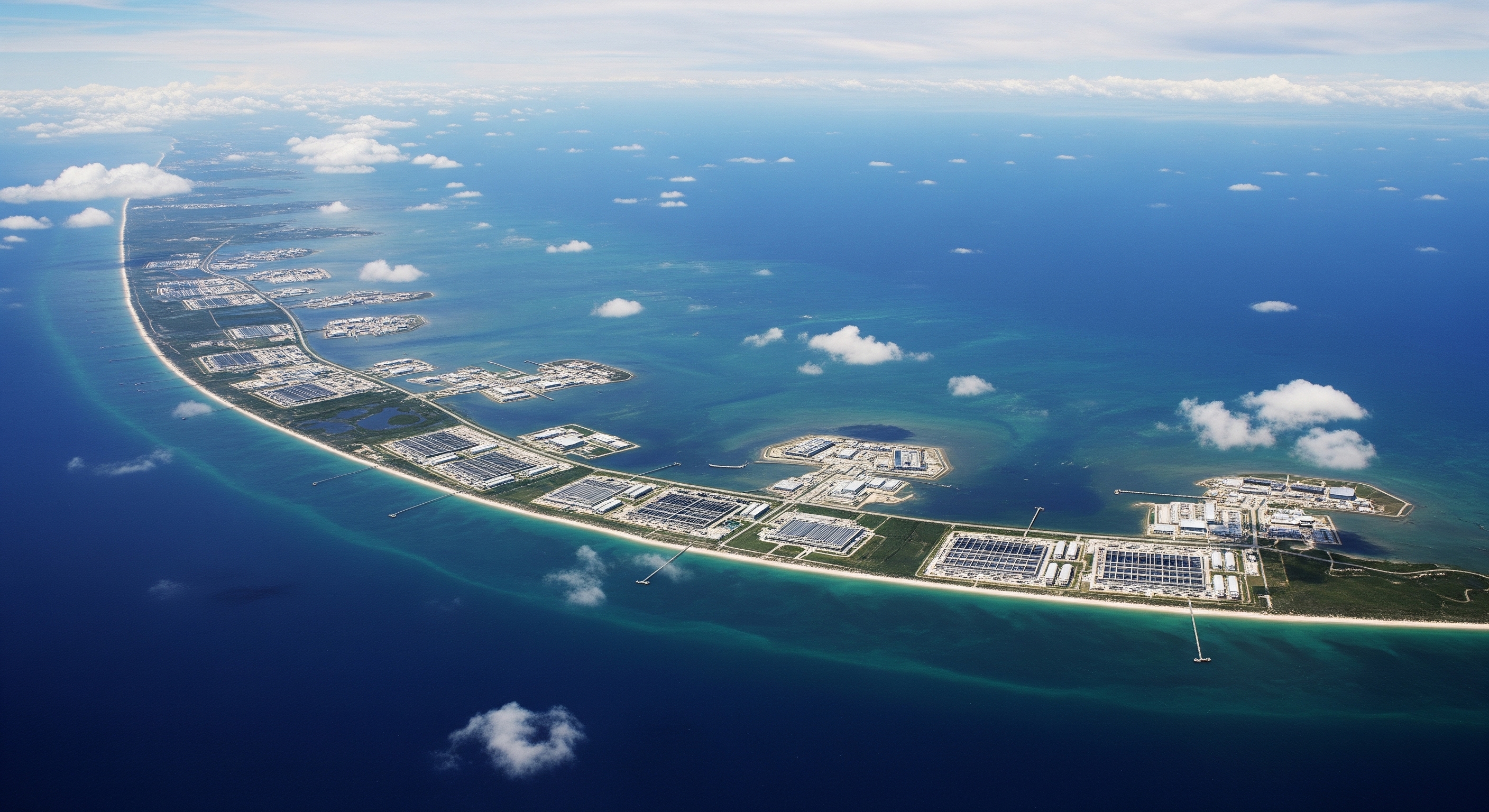
In the United States, the impact was immediate and enormous. With energy costs approaching zero, desalination became a national infrastructure priority. Pipelines of fresh water now flow inland from both coasts and the Gulf, irrigating former deserts and refilling depleted aquifers. Cities once plagued by drought now sell water to their neighbors.
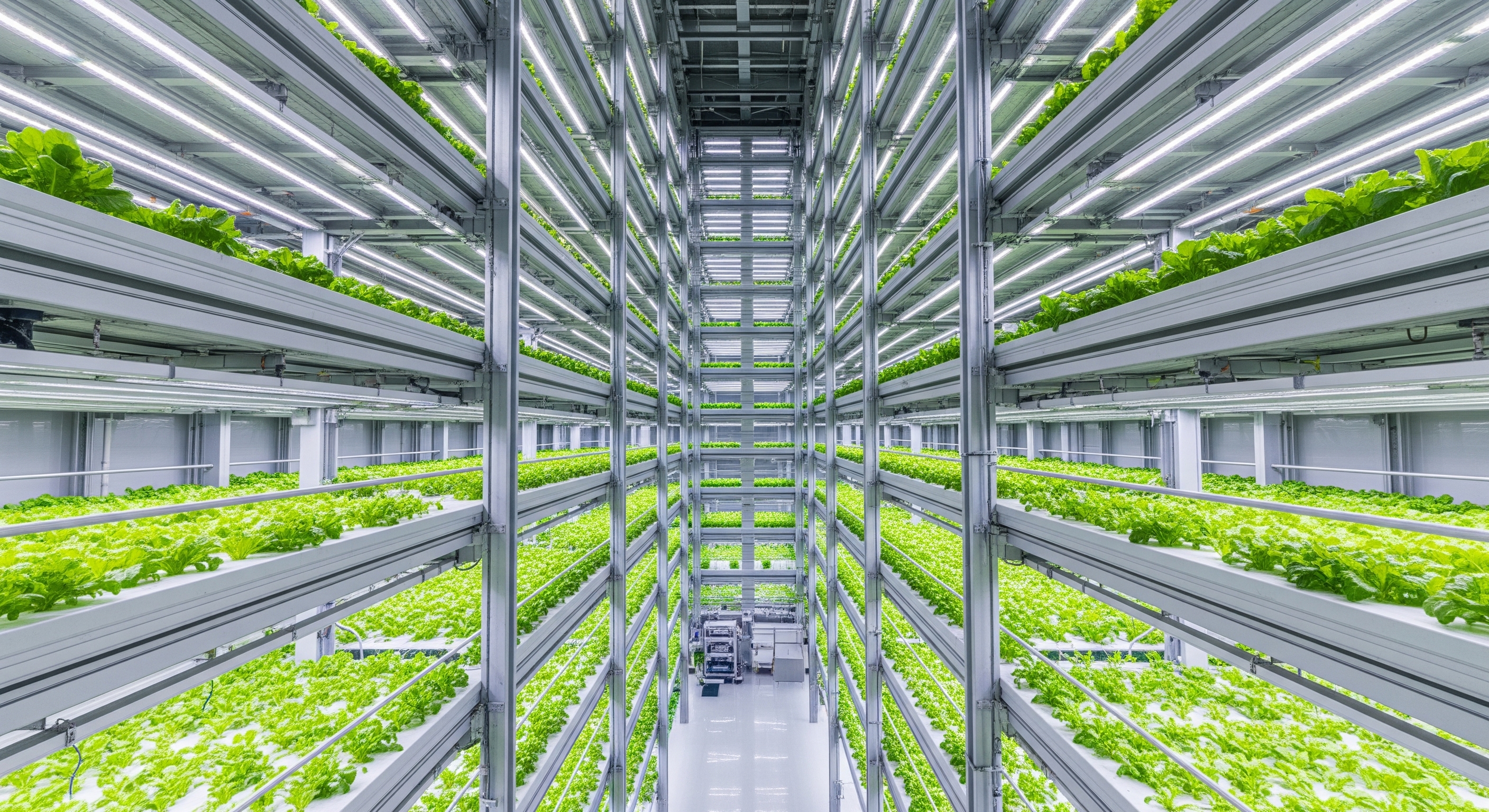
Agriculture transformed just as fast. Multi-story greenhouses powered by infinite heat and light reshaped food production. No longer tethered to the rhythms of the sun or the limitations of climate, the U.S. became self-sufficient—an agricultural fortress of vertical farms and AI-tuned harvest cycles. We export excess grain and protein not out of necessity, but sheer surplus.
And perhaps most miraculously, the carbon curve reversed. Not overnight, but steadily. Massive atmospheric carbon capture plants were built coast to coast, pulling CO₂ directly from the air. With every coal plant shuttered and every combustion engine replaced, the skies cleared. Global temperatures plateaued, then dipped. Some called it redemption. Others called it a delay.
But there’s another truth. One that grates against the utopian headlines: the secret of cold fusion never left American soil.
No partnership treaties, no open-source frameworks, no shared blueprints. The United States became the sole supplier of infinite energy to the world, and the world—desperate, hesitant, resigned—started buying.
Cheap, yes. Easy, no. Dependency crept in. Former industrial giants now import power through vast underground superconductors—quiet arteries of heatless current stretching across continents. Infrastructure once seen as sovereign is now leased. Some protest. Some negotiate. Most comply.
So yes—everything changed. Climate, economy, agriculture, water. But in another sense, nothing changed. Power just moved. The shape of the empire redrew itself.
And we still argue whether we saved the world or simply inherited it.